International Traveller Checklist
- Travel Alerts – Check your email frequently for events that may affect your travel plans or your safety.
- Entry Requirements – Ensure that your passport validity and any travel documents including travel visa and medical requirements are sufficient for travelling to your destination.
- Credit Cards – Notify your credit card company of your international travel plans.
- Mobile Phone – Confirm whether your phone will work at your destination with your provider and switch to a temporary international calling plan if possible. Consider using a local SIM card for reduced rates or pre-paid local phone cards.
- Text and Data Charges – Check with your provider to make sure these services are either included in your international plan or turned off when you’re out of the country.
- WiFi – Use Skype type services for low cost international calls
- Laptop and Phone Protection – Ensure your laptop and phone are password-protected, encrypted and backed up. Antitheft software is available to track the location of a stolen phone or monitor the online activities of a computer thief.
- Documents - Take photograph images of your passport, driver’s licence and critical prescriptions and e-mail the images to yourself in case your wallet, laptop, or travel documents are stolen.
- Other – Check your travel advisory to see if you need an electrical adapter, take a small flashlight, and first aid kit for stomach upsets, diarrhea or jet lag headaches
General Travel Security
Basic precautions may lessen threats and risks to your personal security.
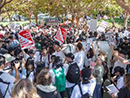
- Avoid all demonstrations or other civil disturbances and leave the area immediately if caught in an impromptu assembly.
- Maintain regular contact with friends and relatives back home by phone or email and leave a travel itinerary.
- Avoid an obvious tourist appearance. Blend in as much as possible, especially in your dress and appearance.
- When sightseeing, try not to appear overwhelmed by an attraction as such behavior makes you appear more vulnerable.
- Keep cameras and video equipment in a bag whenever possible.
- Do not discuss personal matters such as your itinerary, place of lodging or mode of transportation with strangers.
- Withdraw money from ATMs only during daylight hours and preferably only in banks or hotels.
- Report suspicious activity to your hotel's management, the police and/or your home country embassy or consulate.
- Avoid viewing maps in plain view as thieves prey on travellers who seem lost or disoriented.
- Do not accept food or drink from strangers as criminals often try to drug their victims through food and drink.
- Do not photograph police stations, military installations, government buildings, airports, ports or train stations without first determining whether photography is permitted. If in doubt, ask permission from someone in authority before taking any photographs.
- Ignore attempts by locals to provoke an argument. Change the topic of discussion or remove yourself from the situation.
At Your Hotel
- Lock hotel room, connecting room and balcony doors, and all windows.
- Know the local emergency assistance phone number and how to use the local phone system.
- Store all unneeded personal documents and excess cash in the hotel or room safe.
- Meet people, especially strangers, only in the hotel lobby.
Getting Around
- Request hotel management to call for a taxi rather than trying to hail one yourself.
- Be knowledgeable of any restricted areas requiring entry permits, and attain these documents before traveling to such locations.
- Avoid walking alone at night.
- Do not take short routes and stay on well-lit main streets whenever possible.
- If disoriented, ask for directions only from uniformed officers or individuals of obvious authority.
- Do not accept rides from strangers or new acquaintances.
- Seek immediate shelter from violent situations in hotels, large restaurants, museums and police stations.
At Your Destination
- Research your destination. Check local safety and related developments at your destination by reading country-specific travel advisories.
- Consult a “safe travel partner” organization for professional advice on in-country travel, accommodation and good travel preparation.
- Get the necessary travel visa for the country you are visiting but be aware that a visa does not guarantee entry.
- Purchase appropriate travel insurance to cover hospital treatment, medical evacuation including the type of activities you plan to take at your destination. Overseas medical costs are expensive. Medicare and private health insurance will not cover you outside of your home country.
- For longer stays in a country, or where the security situation is volatile, register your details at your local embassy, high commission or consulate, or online.
- Ensure you have the contact details of your local embassy, high commission or consulate in the country in which you're travelling in the event of an emergency.
- Check with health professionals for information on recommended vaccinations and precautions.
- Safeguard your personal information. Make copies of all your travel documents including travel insurance policy and credit card information. Carry one copy with you at all times and leave another copy with someone at home.
- Don't carry illicit drugs. In some countries such as Vietnam, Malaysia, Singapore and Thailand, drug offences carry the death penalty.
|